Lived ExperienceResearch
Autistic Self-Advocates Challenge Outdated Narratives, Push for Neurodiversity-Affirming Approaches
New research and advocacy efforts highlight the gap between institutional portrayals of autism and the lived experiences of autistic individuals, calling for a shift toward acceptance and accommodation.
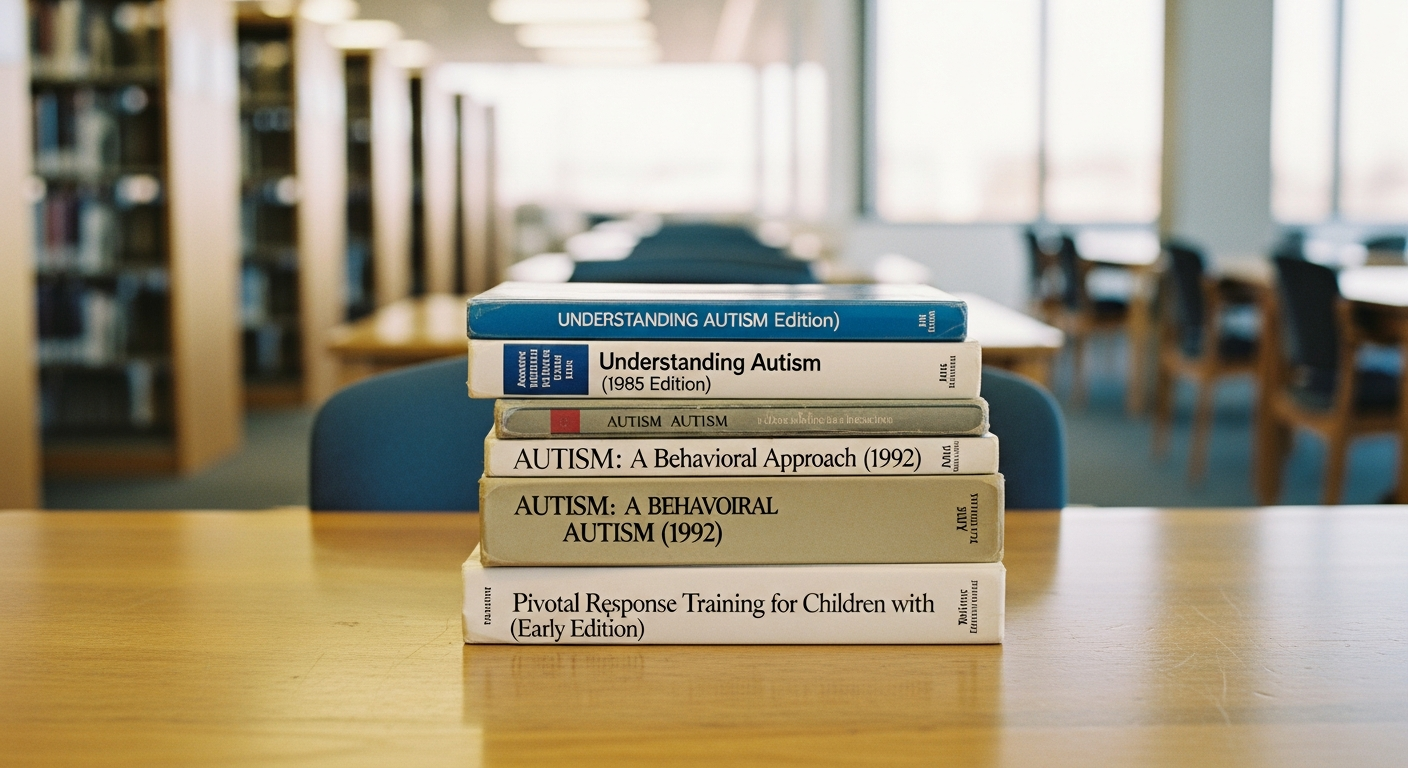
The Disconnect Between Textbooks and Lived Experience
A 2025 study from the University of Alberta (n=42 autistic participants) revealed stark differences between how undergraduate textbooks describe autism and how autistic self-advocates view their own experiences. The study found that textbooks often focus on deficits and medicalized language, while autistic individuals emphasize the importance of acceptance, accommodation, and the social model of disability. This disconnect may stem from historical diagnostic frameworks that prioritized observable behaviors over lived experience, as noted in a 2021 Frontiers in Psychology review.
Practical Tools for Self-Advocacy
Navigating healthcare settings can be particularly challenging for autistic individuals, who may face sensory overwhelm or communication barriers. The Autistic Self Advocacy Network (ASAN) has developed a guide to help autistic adults advocate for themselves in medical settings. While not peer-reviewed, the 2026 guide draws on community expertise and aligns with peer-reviewed findings about sensory needs, such as those in Verywell Mind's autistic burnout explainer.
A 2025 AJOD article notes tensions in education systems where neurodiversity principles compete with standardized testing requirements.
Shifting from Pathology to Acceptance
Advocates are increasingly calling for a shift away from cure-oriented approaches and toward frameworks that center neurodiversity and acceptance. As Nonprofit Quarterly reported in 2025, autistic self-advocates consistently prioritize lived experience, though some clinicians argue certain support strategies require balancing neurodiversity principles with functional needs. Successful implementations include UCLA's neurodiversity-focused student support and Vanderbilt's participatory research models.
Combatting Stigma Through Participatory Research
An editorial in Frontiers in Psychiatry from October 2024 called for multilevel approaches to combat autism stigma, citing participatory research as key. For example, Autism Spectrum News highlights how policy advocacy led by autistic individuals in Canada reduced barriers to healthcare access. However, methodological challenges like researcher-community power dynamics persist, as discussed in The Transmitter.
Challenges and Next Steps
Moving from individual advocacy to systemic change remains complex. A 2025 AJOD article notes tensions in education systems where neurodiversity principles compete with standardized testing requirements. Meanwhile, Autism Speaks documents racial disparities in autism support, showing the need for intersectional approaches. Advocates stress that progress requires addressing both institutional barriers and resource gaps.
Sources
- 01Study uncovers disparity between how textbooks and self-advocates discuss autism
- 02Self-Advocacy for Autistic Adults in Medical Settings: Practical Tools That Reduce Overwhelm
- 03Advocates Discuss How Best to Support the Autism Community
- 04Editorial: Break the stigma: autism. The future of research on autism stigma - towards multilevel, contextual & global understanding
- 05Transitioning from autism self-advocacy to advocating for the ...
Behind the brief
Adversarial editorial review
Open thread