Diagnosis & ScreeningResearch
AuDHD: Recognizing the Intersection of Autism and ADHD
Emerging research highlights the frequent co-occurrence of autism and ADHD, with distinct neurobiological patterns and support needs — yet diagnostic systems often overlook this overlap, particularly for women and adults.
For decades, autism and ADHD were considered separate conditions, often diagnosed in isolation. However, a growing body of research shows they co-occur far more frequently than previously recognized — with 30-80% of autistic individuals also meeting ADHD criteria, and similar overlap in reverse. This intersection, increasingly called AuDHD, isn’t just a simple overlap of symptoms but may involve distinct neurobiological patterns and clinical needs, according to recent studies.
More Than the Sum of Parts
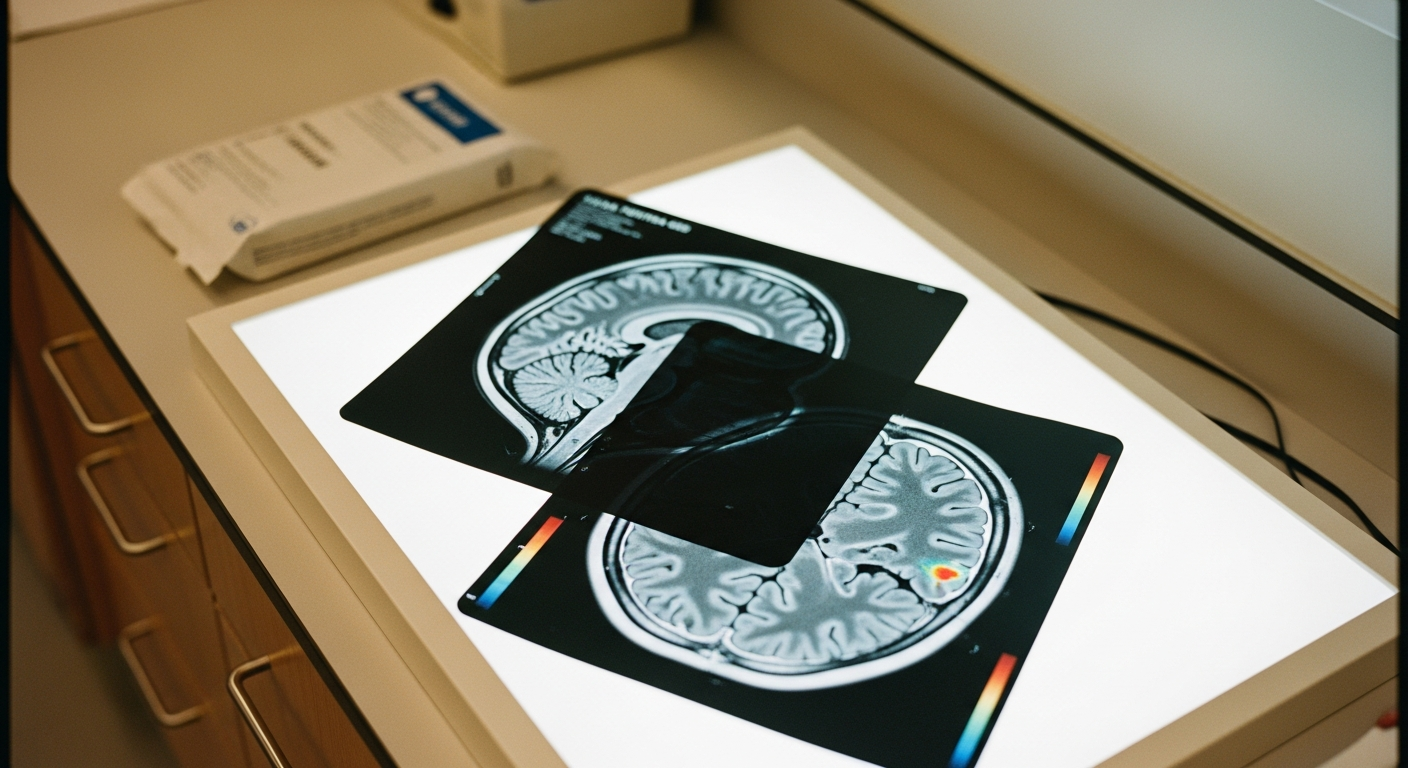
Brain imaging reveals AuDHD isn’t merely ADHD plus autism. A 2023 study in eNeuro involving 150 participants found unique frontoparietal brain dynamics in people with both conditions, differing from those with either diagnosis alone. Genetic studies also suggest shared biological underpinnings contribute to the frequent co-occurrence, as noted in Vanderbilt University’s 2025 analysis of over 1,000 genomes.
‘We need to move beyond either/or thinking,’ said one expert in National Geographic’s 2026 coverage.
Yet diagnostic manuals like the DSM-5 still treat autism and ADHD as separate categories, which researchers say leads to missed or incorrect diagnoses. Adults and women are particularly vulnerable, as a 2024 ScienceDirect paper detailed: their presentations often don’t fit classic checklists for either condition, which were historically based on male-dominated samples.
Lived Experience Gaps
‘I was told it couldn’t be both,’ is a common refrain among late-diagnosed adults, especially women, as highlighted in a 2024 qualitative study. Clinicians trained to see autism and ADHD as mutually exclusive may overlook one condition when the other is present. This can delay access to tailored support: someone with AuDHD might need different strategies than those effective for either condition alone.
While the term AuDHD isn’t yet a formal diagnosis, its recognition is growing. As The Conversation noted in 2024, key takeaways include acknowledging that the combination creates unique strengths (like hyperfocus paired with systematic thinking) and challenges (such as conflicting sensory and attention needs).
Toward Integrated Care
Researchers urge updated diagnostic frameworks and clinician training. ‘We need to move beyond either/or thinking,’ said one expert in National Geographic’s 2026 coverage. Early studies suggest integrated therapies — like combining executive function training with sensory accommodations — show promise, but more evidence is needed.
Sources
- 01The Co-Occurrence of Autism and Attention Deficit Hyperactivity ...
- 02AuDHD: The Hidden Dynamics of a Dual Diagnosis
- 03Distinct Frontoparietal Brain Dynamics Underlying the Co ... - eNeuro
- 04Unpacking the overlap between Autism and ADHD in adults
- 05Scientists are starting to understand how autism and ADHD can ...
- 06Full article: Raising the voices of AuDHD women and girls
- 07What is AuDHD? 5 important things to know when someone has both autism and ADHD
Common questions
Behind the brief
Adversarial editorial review
Open thread