Diagnosis & ScreeningResearch
AI Tools May Expand Access to Autism Screening and Support
Emerging research suggests machine learning could help reduce evaluation wait times and tailor support approaches, though implementation requires careful validation.
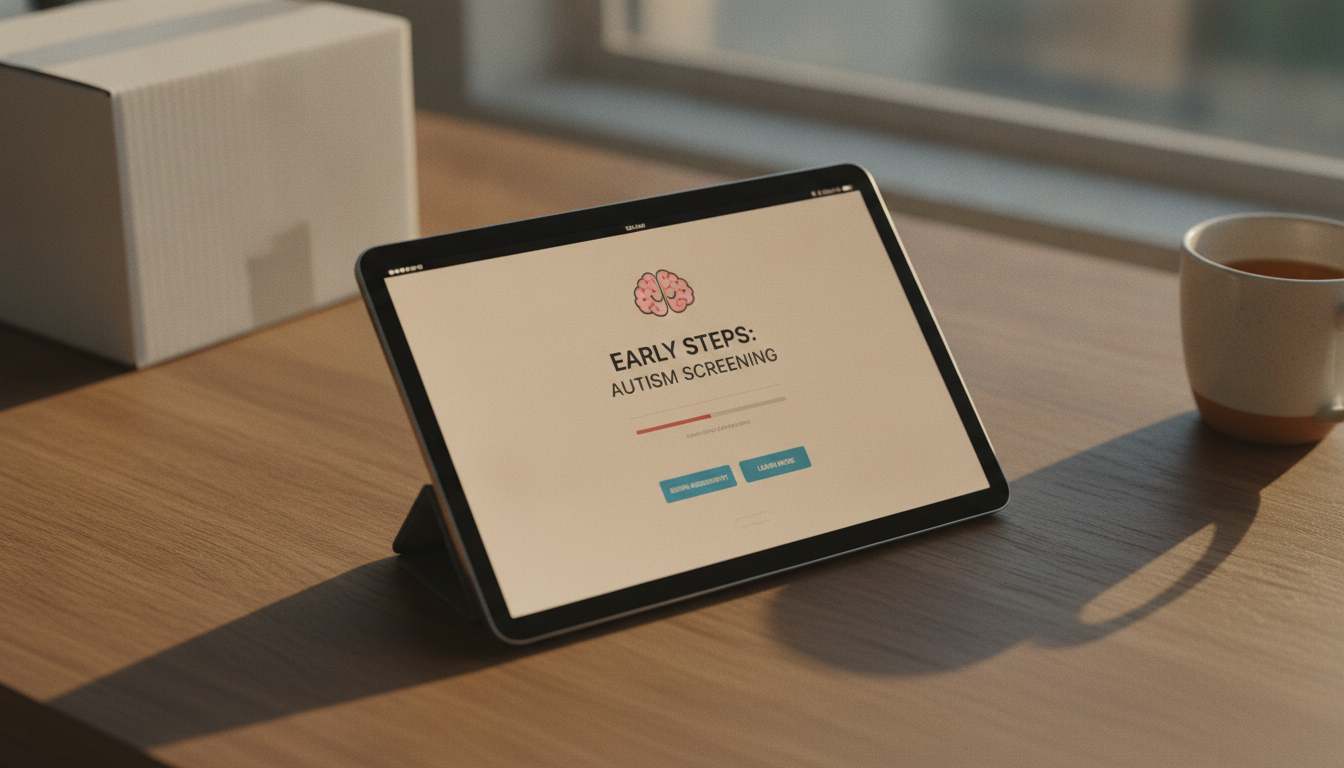
Artificial intelligence is being explored as a tool to expand access to autism identification and support, with emerging research highlighting both opportunities and limitations. A 2026 meta-analysis in Frontiers in Psychology found that digital activities incorporating AI elements could provide engaging supplementary social interaction practice for some autistic children, though effect sizes were modest compared to standard therapies.
Machine learning approaches may help address systemic delays in evaluations. Research from the University of Southern California developed a screening tool using accessible video analysis rather than MRI, contrasting with the 98% accuracy claims from specialized neuroimaging studies that have limited clinical applicability. A 2024 review in npj Digital Medicine cautioned that most AI diagnostic models have only been tested in homogeneous research populations, with accuracy dropping significantly in real-world settings.
A 2025 review noted these technologies may help with organization and regulation, while a 2026 Nature analysis highlighted the field's shift toward explainable systems.
Tailoring Support Through Technology
Beyond identification, AI is being integrated into assistive tools that align with individual communication and sensory preferences. A 2025 review noted these technologies may help with organization and regulation, while a 2026 Nature analysis highlighted the field's shift toward explainable systems. However, concrete examples of widespread successful implementation remain limited.
Implementation Considerations
Key challenges include ensuring equitable access and preventing algorithmic bias. As discussed in a 2024 Frontiers in Psychiatry article, human oversight remains critical when deploying these tools, particularly given the retraction of overhyped AI claims in this field. Ethical frameworks must address data privacy and the appropriate role of technology in neurodiversity-affirming care.
Sources
- 01Can AI-driven games enhance social skills for autistic children? — A three-level meta-analysis
- 02Thematic mapping of autism spectrum disorder research using machine learning and LDA: trends, patterns, and future directions
- 03AI-Assisted Device Can Improve Autism Care Access
- 04AI technology to support adaptive functioning in neurodevelopmental conditions in everyday environments: a systematic review | npj Digital Medicine
- 05Utilization of Artificial Intelligence and Assistive Technology ...
- 06Leveraging AI for the diagnosis and treatment of autism ...
- 07AI could help in the early diagnosis of autism, USC study finds
Common questions
Behind the brief
Adversarial editorial review
Open thread