Therapies & TreatmentResearch
Advances and Setbacks in Autism Research: Brain Stimulation Trial Shows Potential While Leucovorin Study Retracted
Recent studies highlight progress and challenges in autism research, including a small but promising brain stimulation trial and a retracted leucovorin study with data integrity issues.
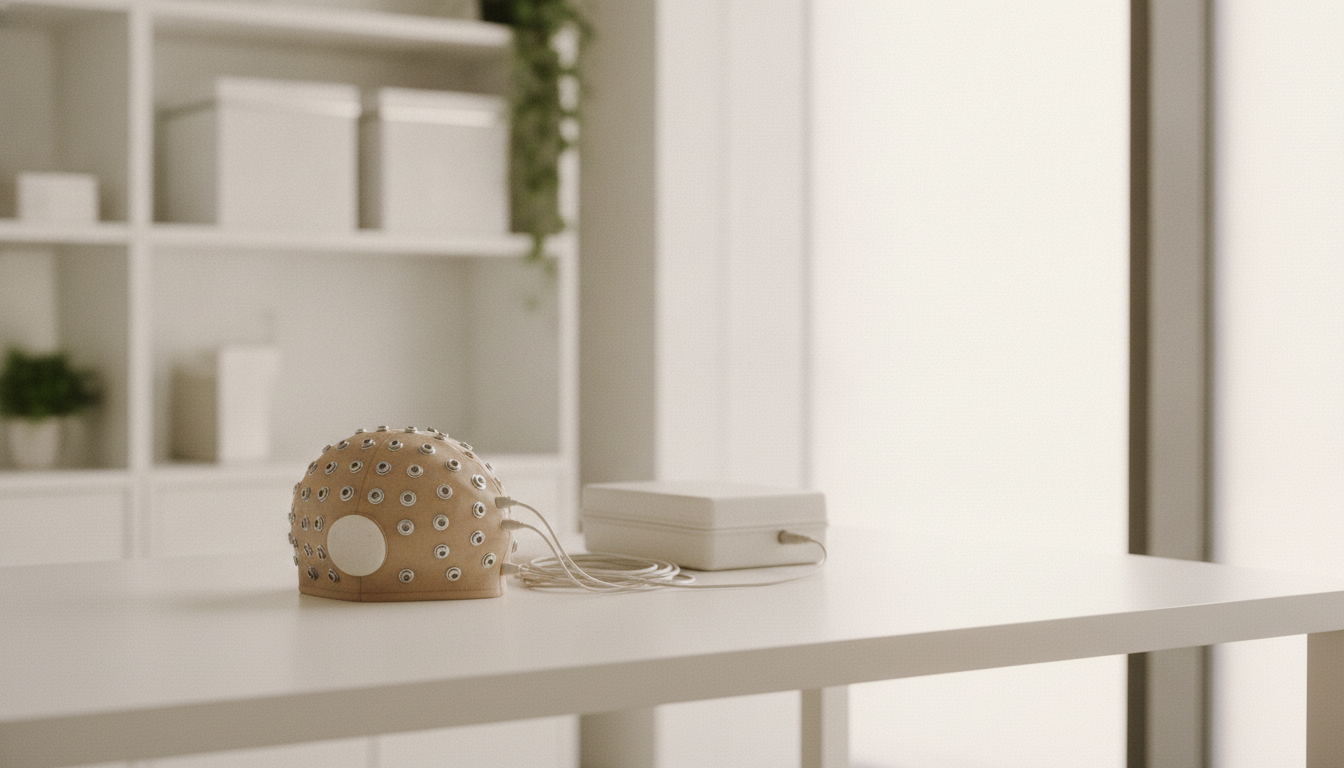
Recent clinical trials and studies have brought both progress and caution to autism research. A double-blind randomized controlled pilot trial published in Molecular Psychiatry in April 2026 explored personalized non-invasive brain stimulation, known as accelerated intermittent theta burst stimulation (iTBS), targeting the fronto-parietal control network. This small study (n=30 per arm) reported short-term improvements in social communication and repetitive behaviors at 2 weeks post-treatment, but the clinical meaningfulness of these changes remains unclear without data on effect sizes or long-term outcomes. The procedure, which uses magnetic pulses to stimulate specific brain regions, is not currently available outside research settings and carries rare risks like seizures and common side effects like headaches.
A significant setback occurred when the largest clinical trial on leucovorin (folinic acid) for autism was retracted due to alleged data fabrication in the primary outcome, as reported by UC San Diego Today in February 2026. This retraction followed a surge in prescriptions linked to high-profile promotion, including White House attention. Families currently using leucovorin should consult their pediatricians before making any changes.
This retraction followed a surge in prescriptions linked to high-profile promotion, including White House attention.
Early-stage research continues to explore new avenues. A mouse study from UCLA suggested that inflammation during pregnancy might trigger reversible brain changes in offspring, but the drug used (pexidartinib) has severe liver toxicity warnings in humans and the findings have no immediate clinical relevance. Separately, a commercial press release from Bio-K made unverified claims about probiotics improving autism symptoms without providing peer-reviewed data or study details.
Key Takeaways
- Brain Stimulation: A small pilot trial showed short-term potential for personalized iTBS, but larger, longer studies are needed to assess clinical significance.
- Leucovorin Retraction: The study was retracted due to data integrity issues, not just methodological weaknesses, highlighting the risks of premature clinical adoption.
- Early-Stage Research: Mouse studies and commercial probiotic claims require rigorous validation before any clinical implications can be drawn.
Sources
- 01Accelerated intermittent theta burst stimulation targeting personalized fronto-parietal control network improves core symptoms of autism spectrum disorder: a double-blind, randomized controlled trial | Molecular Psychiatry
- 02Largest leucovorin-autism trial retracted - The Transmitter
- 03Drug reverses autism-like brain changes in adult mice within hours, study finds
- 04Leucovorin Prescriptions for Children with Autism Surged After Public Attention
Behind the brief
Adversarial editorial review
Open thread